phdream The House Edge Explained
phdream: The House Edge Explained – Your Guide to Smarter Online Betting
Welcome to the exciting world of online betting with phdream! If you're passionate about casino games and online betting in the Philippines market, understanding the concept of 'house edge' is absolutely crucial. This guide will demystify the house edge, explaining what it is, how it works, and why it's a fundamental aspect of all casino games. By grasping this concept, you'll be better equipped to make informed decisions, manage your bankroll effectively, and ultimately enhance your online gaming experience. Whether you're a seasoned player or new to the scene, our comprehensive breakdown will provide you with the knowledge needed to navigate the odds like a pro. Get ready to elevate your game and play smarter!
Table of Contents
- What Exactly is the House Edge?
- How Does the House Edge Work in Casino Games?
- House Edge in Popular Casino Games: Examples
- Why Understanding the House Edge is Crucial for Players
- Strategies to Potentially Reduce or Manage the House Edge
- Playing Smart with phdream: Leveraging Your Knowledge
What Exactly is the House Edge?
The house edge is a term that every online betting enthusiast, especially those in the vibrant Philippines market, should be familiar with. In simple terms, the house edge is the built-in advantage that the casino has over the player in any given game. It's expressed as a percentage and represents the average profit the casino expects to make from each bet placed over the long run. It's not about individual wins or losses, but rather the statistical certainty that, given enough play, the casino will always come out ahead. This edge is what allows casinos, including top platforms like phdream, to operate and offer a wide array of exciting casino games.
Think of it this way: if a game has a 2% house edge, it means that for every ₱100 wagered, the casino expects to keep ₱2 as profit, while ₱98 is returned to players in winnings. This doesn't mean you'll lose ₱2 every time you bet ₱100; it's an average over millions of game rounds. The house edge is meticulously calculated by mathematicians and game designers to ensure the casino's long-term profitability. It's a fundamental aspect of how gambling establishments maintain their business model, ensuring they can continue to provide entertainment and payout winning bets.
Understanding this concept is key to becoming a more informed and strategic player. It helps you set realistic expectations about your chances of winning and encourages responsible gaming practices. Without a house edge, casinos wouldn't be able to sustain their operations, meaning no more thrilling online betting experiences or exciting casino games to enjoy.
How Does the House Edge Work in Casino Games?
The house edge isn't a secret mechanism designed to unfairly drain your pockets; rather, it's an inherent mathematical advantage embedded within the rules and payouts of every casino game. Let's break down how it functions across different types of casino games offered by platforms like phdream.
Payouts vs. True Odds
The core of the house edge lies in the discrepancy between the true odds of an event occurring and the odds that the casino pays out for a winning bet. For instance, if you flip a coin, the true odds of it landing on heads are 1:1. If a casino paid out 1:1 for a heads bet, there would be no house edge. However, in most casino games, the payout for a winning bet is slightly less than the true odds of that event happening. This small difference, accumulated over countless bets, constitutes the house's profit.
Examples in Action:
- Roulette: In European Roulette, there are 37 pockets (1-36 plus a single zero). The true odds of hitting any specific number are 1 in 37. However, the casino pays out 35:1 for a single number bet. This difference (37 minus 36 = 1 unit) is the house edge, which translates to approximately 2.70%. In American Roulette, with an additional double zero (38 pockets), the house edge nearly doubles to 5.26% because the payout remains 35:1.
- Blackjack: Blackjack is unique because the house edge can vary significantly based on the player's strategy. Using perfect basic strategy, the house edge can be as low as 0.5% or even less, making it one of the most player-friendly games. However, mistakes or deviations from basic strategy increase the house edge considerably.
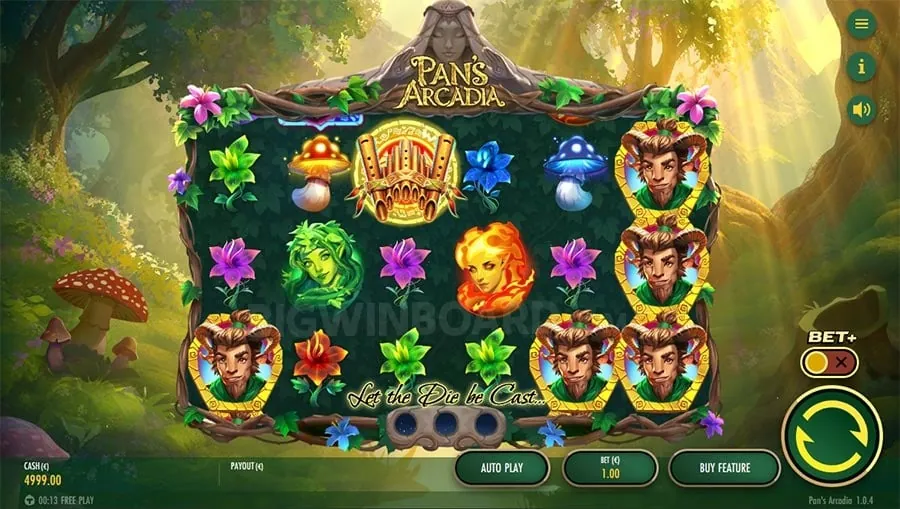
- Slot Machines: Slot machines have a house edge that is determined by their Return to Player (RTP) percentage. An RTP of 96% means the house edge is 4%. This percentage is programmed into the game's software and represents the average amount of money a slot machine pays back to players over a large number of spins. Unlike table games, the RTP for slots is generally fixed and not influenced by player strategy.
Understanding these mechanics allows players on phdream's mobile template to appreciate that while winning streaks are possible, the casino's long-term profitability is mathematically guaranteed. This knowledge empowers you to choose games with lower house edges and employ strategies that minimize the casino's advantage, giving you a better chance to enjoy your online betting experience in the Philippines market.
House Edge in Popular Casino Games: Examples
To truly grasp the impact of the house edge, let's look at specific examples from popular casino games that you can find on platforms like phdream. Knowing these percentages can help you choose games that align with your risk tolerance and playing style, especially when engaging in online betting within the Philippines market.
Blackjack (with Basic Strategy): ~0.5% - 2%
Blackjack is often cited as having one of the lowest house edges, particularly when played with optimal basic strategy. This strategy involves making the mathematically correct decision for every possible hand combination. Factors like the number of decks used, whether the dealer hits or stands on soft 17, and payout for blackjack can slightly alter this percentage. For example, a single-deck game with favorable rules might have an edge as low as 0.2%, while a six-deck game with less favorable rules could push it closer to 1%. Mastering basic strategy is key to keeping the house edge at its minimum in this classic card game.
European Roulette: ~2.70%
As mentioned earlier, European Roulette features a single zero, resulting in 37 pockets. The house edge of 2.70% is derived from the fact that all payouts are based on 36 numbers, even though there are 37 possible outcomes. This relatively low edge makes it a popular choice for many players. You can find excellent casino games like this on the phdream mobile template.
American Roulette: ~5.26%
The addition of a double zero (00) in American Roulette significantly increases the house edge. With 38 pockets but still paying out based on 36 numbers, the house advantage nearly doubles compared to its European counterpart. This makes American Roulette a less favorable option from a purely statistical standpoint, though some players prefer its faster pace or specific table layouts.
Baccarat: ~1.06% (Banker Bet) to ~1.24% (Player Bet)
Baccarat is another game with a relatively low house edge, especially on the Banker bet. The Banker bet has a house edge of approximately 1.06%, even after accounting for the 5% commission usually charged on winning Banker bets. The Player bet has a slightly higher edge of about 1.24%. The Tie bet, while offering a much higher payout (e.g., 8:1 or 9:1), comes with a significantly higher house edge, often around 14.36%, making it a less advisable wager for strategic players.
Slot Machines: ~2% - 15% (or higher)
The house edge for slot machines, represented by their Return to Player (RTP) percentage, varies widely. An RTP of 96% means a house edge of 4%. Some slots might offer RTPs as high as 98% (2% house edge), while others could be as low as 85% (15% house edge). Generally, online slots tend to have higher RTPs than their land-based counterparts. When exploring the vast selection of casino games on phdream, it's often beneficial to check the RTP of a slot game if available, as higher RTPs mean a lower house edge.
By comparing these figures, players can make more informed choices about which games to play, helping them manage their bankroll and extend their entertainment time on phdream's platform. Remember, a lower house edge generally means better odds for the player over the long run.
Why Understanding the House Edge is Crucial for Players
For anyone engaging in online betting, particularly within the dynamic Philippines market and on platforms like phdream, a solid understanding of the house edge isn't just academic; it's a practical tool for smarter play. Here's why it's so important:
1. Informed Game Selection
Knowing the house edge allows you to choose games that offer better odds. If you're looking to maximize your playing time and potential returns, you might gravitate towards games like Blackjack (with basic strategy) or Baccarat, which typically have lower house edges, rather than games like American Roulette or certain high-volatility slots with significantly higher edges. This knowledge empowers you to make strategic decisions about where to place your bets on the phdream mobile template.
2. Realistic Expectations